


The homelessness epidemic in our state is a result of many factors, from the rising cost of living, a limited job market and a lack of proper mental health care in California communities. Major cities, such as San Francisco and Los Angeles, have homeless rates of 64% percent, and around 27% of California’s homeless population suffer from severe mental illnesses.
In response, these cities have begun incorporating hostile architecture into their communities. To this day, land that could be used to create affordable housing and treatment centers is instead being used to create more luxury apartments.
But the issue of homelessness in California is far older than most people know.
In the late 20th century, public outrage grew over the treatment of patients in many state hospitals across the United States. The movement known as deinstitutionalization began during this period. Advocates desired a shift from state-funded mental hospitals to more community-centered care, allowing individuals with physical and mental disabilities more freedom while receiving treatment.
 This idea was excellent in theory, but in practice, it ended up making prisons the new asylums. This process began in the 1950’s, but it drastically ramped up in the 1980’s due to public demand. Millions of patients had grown accustomed to life within these institutions, leaving many with no homes to return to.
The Community Mental Health Act was supposed to fund community centers that were meant to provide care for the mentally ill, help with early identification of mental illness and supply preventive treatment. Unfortunately, these centers came to naught because of the insufficient focus on the severely mentally ill population and the lack of funding this plan received.
With the money not going through, former patients were free from the horrific practices of state hospitals, but they were left on the street with no care or support of any kind. With no homes, no treatment and no employment, they were left abandoned, ending up living on the streets or being arrested and placed in prisons or jails.
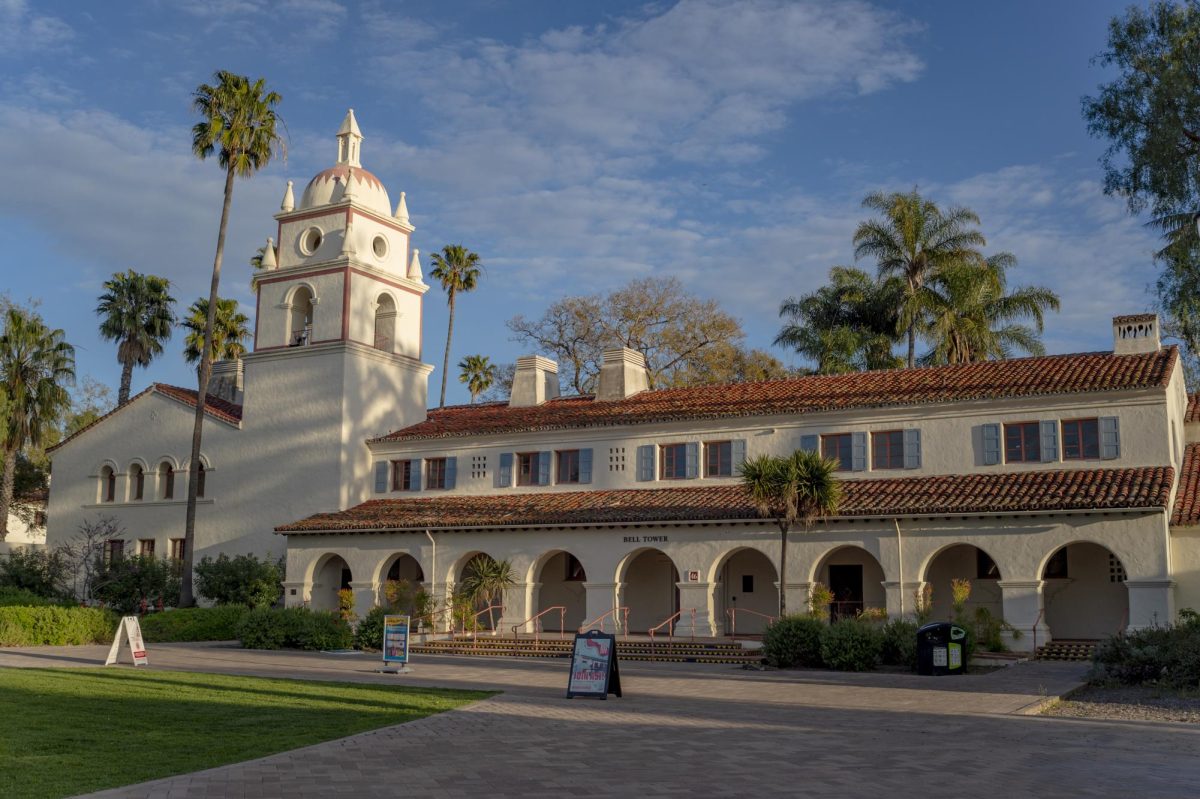
Currently, many buildings that were abandoned state hospitals, such as the Camarillo State Mental Hospital, are guarded twenty-four hours a day. The land can still be repurposed to build affordable housing. The Camarillo facility has also been vandalized over the years, like many other abandoned state hospitals. (Taking part in this practice is both illegal and very disrespectful, so please do not damage and or vandalize buildings like these.)
 Statistics show that about two in five people who are incarcerated have a history of mental illness, including 37% of individuals in state and federal prisons and 44% of those being held in local jails. Prisons are becoming the new asylums in the United States, but unlike state hospitals, these institutions don’t have the funds or the training to offer proper mental health care.
This system is unfair to those individuals who are most likely to be incarcerated again and again because of the lack of proper mental health care, both inside and outside of prison. This kind of care could be feasible if only more funding were provided.
The homelessness problem in California needs to be addressed. Not only do we need more affordable housing, but we also require more affordable mental health care and vocational training. The failure of the Community Mental Health Act has been tragic, but with enough support, we can propose and advocate for similar but better laws. Providing affordable mental health care will help more people living on the streets, allowing them to move up and find sustainable living situations.
With proper care, the most vulnerable among us can live successful and happy lives off the cold streets of cities like Los Angeles. This is not only what’s best for our community, it’s also just the right thing to do.