
The teenage years can be some of the most influential times of our lives. Everything around us now can influence how we see and experience the world in the future.
But we forget that our Glendale High School teachers were once teenagers, too, and they all experienced similar yet different childhoods from us. Some generous teachers have graciously sat down with me and talked about what life as a teenager was like for them. They shared how style, makeup, and films were in previous decades.
The Totally Tubular 80’s
The 1980’s were a huge time for the film industry, but that didn’t stop directors from airing more questionable behaviors in their films. Ms. Sarah Morrison spoke about this and how it affected her and her peers growing up. “There were even rapes in these movies that people just overlooked and instead blamed the girl for being too promiscuous,” she said. “So looking back and seeing them again, hoping for some nostalgia, is actually quite chilling.” Behaviors like these were normalised during this time and framed as acceptable.
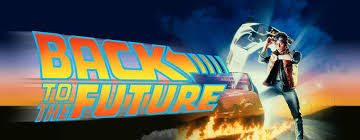 Women were not alone in this misrepresentation on the big screen. Mr. Jon Livingston also mentioned how “many times vulnerable groups are the butt of the joke” in movies from the 1980’s. “It was just considered acceptable to have certain stereotypes portrayed as truth,” he said. While many films from this decade are iconic, that power over the youth helped foster a negative environment and mentality in its viewers.
It was only in recent times, when people started to examine these films more closely, that the true harm was revealed. Today, the films we watch are very considerate of many groups and viewpoints. There are things we won’t tolerate now and have fought to change, so that people hopefully won’t be offended in any way.
Props to the 2000’s
The first decade of the 2000’s was a time of great influence on modern society. Mrs. Daphane Mitropoulos, one of the SPED teachers on our campus and a member of the GHS Class of 2002, spoke about the social climate before the rise of the internet. For example, the iPhone didn’t exist until 2007, and life was more private in the years before then. Ms. Mitropoulos grew up having real interactions face-to-face, instead of through the Meta world.
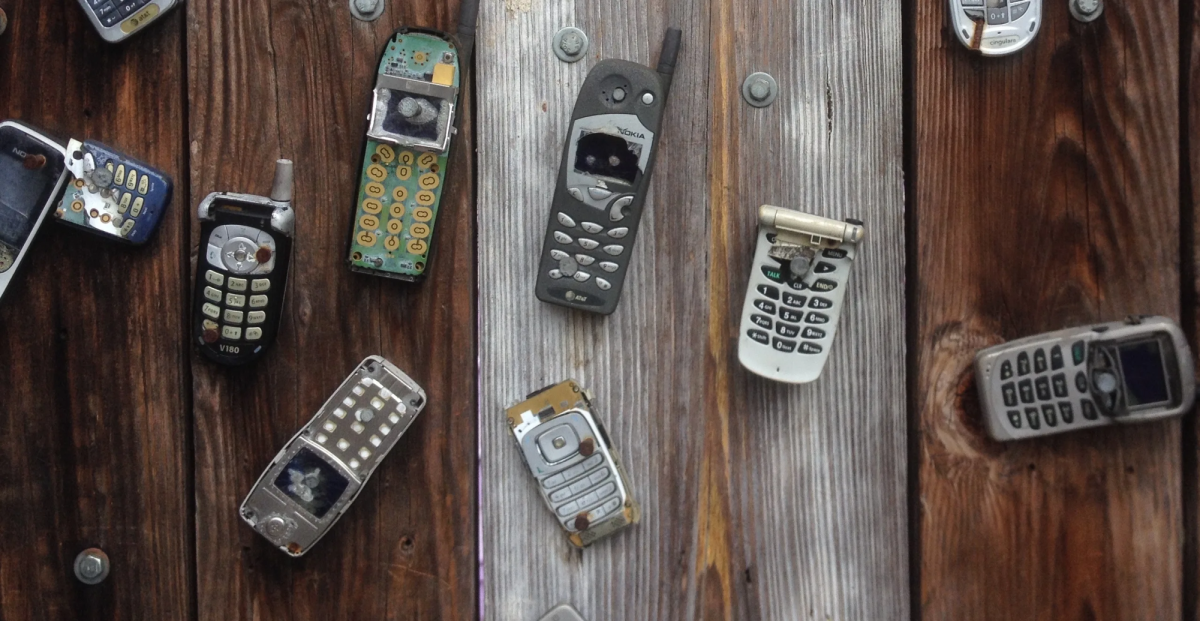
Take a simple hangout in the 2000’s. “When you hung out with your friends, it was hanging out doing outdoor activities, like biking, playing sports, board games at the house, or hanging out at a friend’s house, going to the movies, going to the Market Place in Glendale. We would call it ‘The Frogs’,” Ms. Mitropoulos recalled. Cell phones and computers existed, but they were more practical, such as the flip phone.

With modern phones, the second we lose ours, we become paralyzed. Our entire life is on our phone, all our saved contacts. People used to have to memorize all the phone numbers for their family and friends; now we rely on our phones for all that, and without them, we are lost. “We use our phone to store all our passwords, we pay with our phone,” Ms. Mitropoulos said. “If we lose our phones, we become paralyzed because everything we need to access is connected to our phone at all time.”
We no longer live in the moment, according to Ms. Mitropoulos. “The phones seem to have created a new layer of things,” she said. “Cellphones and technology have allowed me to develop a stronger connection with my family in Greece. I video-call them often; these are benefits. However, technology has created many dangers as well, like cybercrimes, hacking, mental health addictions, misinformation, fake news, and reduced social skills.”
Life nowadays is not as carefree as it was two decades ago. At any moment, lives can be ruined by one post, so we are constantly living on edge. Anything good or bad that is posted online will never truly die and will forever haunt us. There is a possibility for good, multifunctional utility in modern tech, but we don’t know how to use it in a way that benefits our prospects, our reputation or our own well-being most of the time.
Welcome to 2016 Instagram
Our current generation loves Instagram. We live and breathe its sour air, no matter the cost. It is very popular now, but unlike TikTok, many of our educators can’t say they grew up on these platforms. One of our newest teachers and GHS alum, Ms. Lilia Vasghanian, was our age when this now well-known platform first appeared in the 2010’s.
 The trend during her teenage years was heavy makeup. In the modern day, we see “no hefty eyebrows, no cakey skin,” according to Ms. Vasghanian. But when she was a teenager, the trends were crazy, with bright colors and shapes and what we now consider a waste of makeup. The crazier social media got, the more the public began to crave simplicity.
Ms. Vaghanian believes that these social networks are more toxic than ever. “I would definitely say that 2016 was the prime age of social media,” she said. “It was just coming out of the surface. That’s where it sorta began. Now I say it’s crazier where some people literally post anything overall.”
When Instagram was new, people were more careful with online discussions. It was more curated, as we see in the makeup space. More eye-catching pictures were used, compared to the borderline crazy state of the app today. So this desire to go back to simple aesthetics almost seems to be an unintentional response to the insanity of modern social media apps.
Peace is not common on social media, as drama is constant, and trolls and AI bots have taken over our media and comment sections. The drastic changes to these common apps have influenced how we see them, and they have created different desires in response to the chaos we hear about and experience every day.
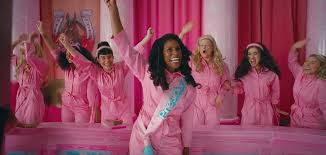 Instagram has been shallow, in a way. But even with all the modern social reform we see now, it has not gone away and has only expanded its platform and influence.
Overall, the social landscape has drastically changed for both the better and the worse over the years. For every generation, the teen years are unique, whether it be regarding media, tech or fashion. These experiences and trends we grow up on, to some level, have shaped the people we are today. But as the times change, we learn to grow.
The advancements and downfalls that alter the social ecosystem are a part of life. One day, something we do that’s cool today may become controversial tomorrow. And if we can stop and recognize this, and correct what we were taught from a young age, and allow ourselves to see the true nature of life, then we will continue to grow and learn.