

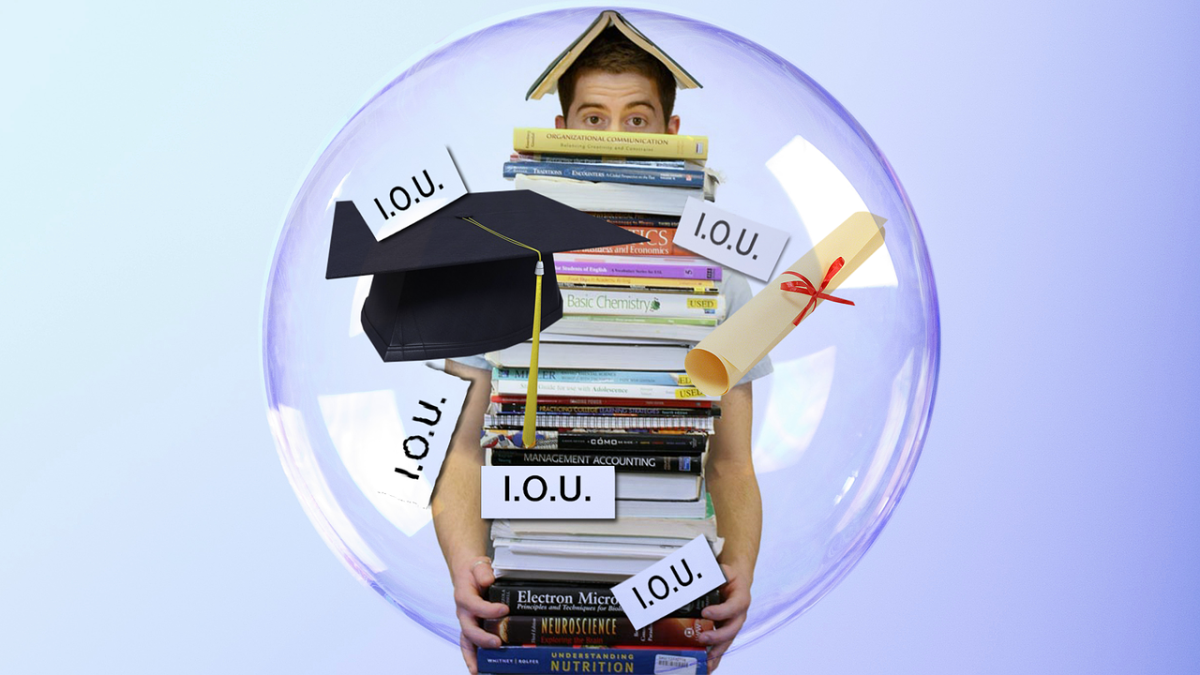
Every year, colleges in the United States admit millions of students, each one attending for a number of reasons. Some attend because of a desire for higher education. Others go to college so that they can have a better career in the future or obtain professional certifications that they need to obtain their dream job.
For decades, attending college was the only way you could earn a high-paying job after graduation, but times have changed. The economic landscape of our nation is in a bad place. Prices are rising for every aspect of life in the United States, and what employers want from applicants is no longer the same as it was a couple of years ago.
So it’s time to ask the question that has been staring us in the face for years: is it still worth it to spend so much money on an experience that may help you socially, but will bring so much financial burden for years to come?
College is neither free nor affordable for graduating high school seniors. It is both common and necessary for millions of young people to take out student loans to afford the cost of higher education. Federal programs have been in place for a long time, such as FAFSA, but sadly, there have been several cuts to the Department of Education nationwide.
With less money coming in, receiving financial help to attend college is slowly diminishing. If this continues, many students will be left unable to fund their education and will have to face the possibility of going into years of debt from federal and private student loans.
On average, the typical college student borrows over $30,000 to pursue a bachelor’s degree. Now imagine how much it costs for those seeking a master’s degree or attending an Ivy League university. This needs to change. The more cuts that are made, the more difficult it is to obtain the degrees needed for so many jobs in this modern age.
When someone decides to take out a college loan, paying it off after graduation becomes a whole new challenge. A new graduate is more likely to have trouble finding a job in the current market. The unemployment rate, among recent graduates, is 5.0%, which is one of the highest it has ever been since 1989. With this number rising across the nation, new graduates are struggling to pay off their loans.
Companies still want educated individuals, but at the same time, they expect an unrealistic amount of job experience. Many candidates are being denied positions because they have no experience, as they were busy focusing on their university classes.
 Many companies want candidates with a master’s and a bachelor’s degree, but when they try to apply for a new position, they are denied for having a lack of professional experience. All this makes the job market more hostile and closed off. If jobs are this hard to get, how are recent grads expected to pay off the millions of dollars they have in student loans?
While attending a university is an amazing opportunity, we need to choose where we go carefully. If we continue to do nothing, even state schools will become unaffordable. Four-year universities are not the only option, as trade schools and community colleges are often overlooked and labeled as the easier option.
But at the end of the day, these options are far more affordable and still provide that iconic college experience. Sometimes they can even provide a better education and more resources for those who need them, especially those people who are not in the financial position to go to a four-year program for the entirety of their bachelor’s program.
The road to higher education has many pathways. There’s no one right or wrong way to go about it, and it is okay to follow the crowd if that’s what is best for you in the long run.
College-educated individuals are more likely to think critically and make better decisions in general, because college is not simply about the diploma but the life experience. It teaches people valuable skills and habits that will help them throughout their lives.
Depriving millions of students of this opportunity is cruel. The government should step up and put a stop to all these financial cuts, providing more help for lower and middle-class individuals who just can’t afford to attend university on their own. Many still find ways to pay for college, but this traps them in years of debt, ruining their chances to increase their wealth and afford their everyday needs in the modern age.
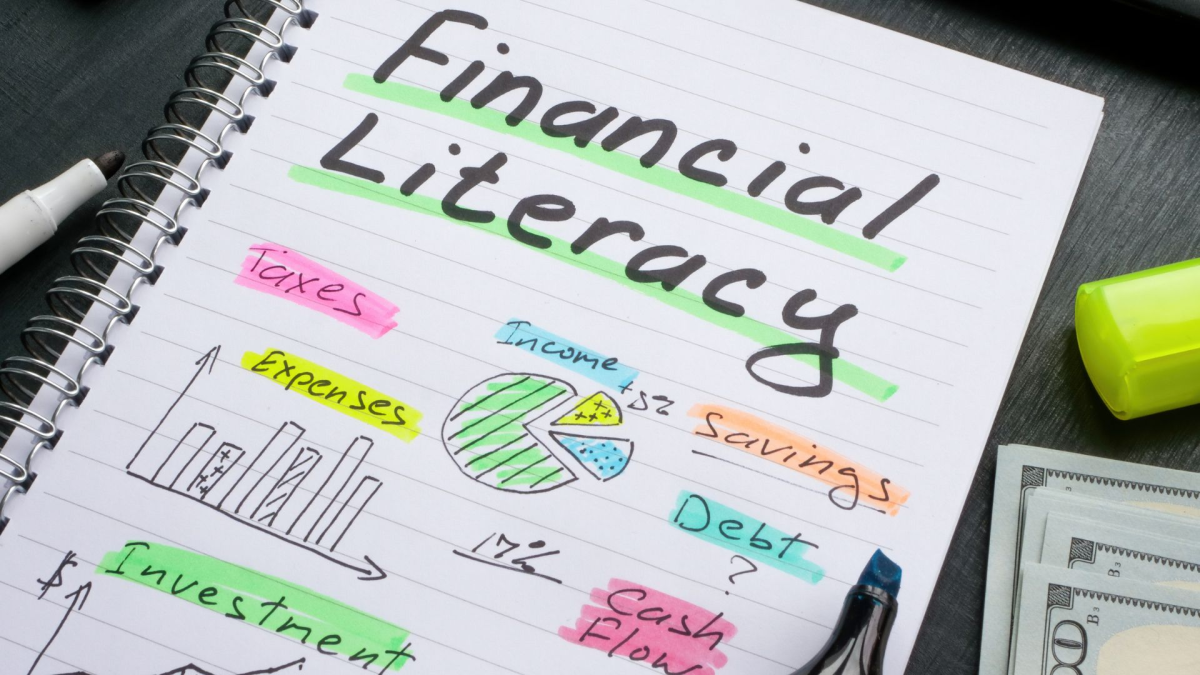
We need to educate children better and teach them financial literacy earlier, so they better understand the risk of taking out loans for school. Additionally, companies need to take a look at their expectations for recent grads. What they ask for now is nearly impossible for anyone to achieve. People need more opportunities and not to be denied for unrealistic expectations.
It’s time to fight back and advocate for our future, especially when it comes to affording a college education.