


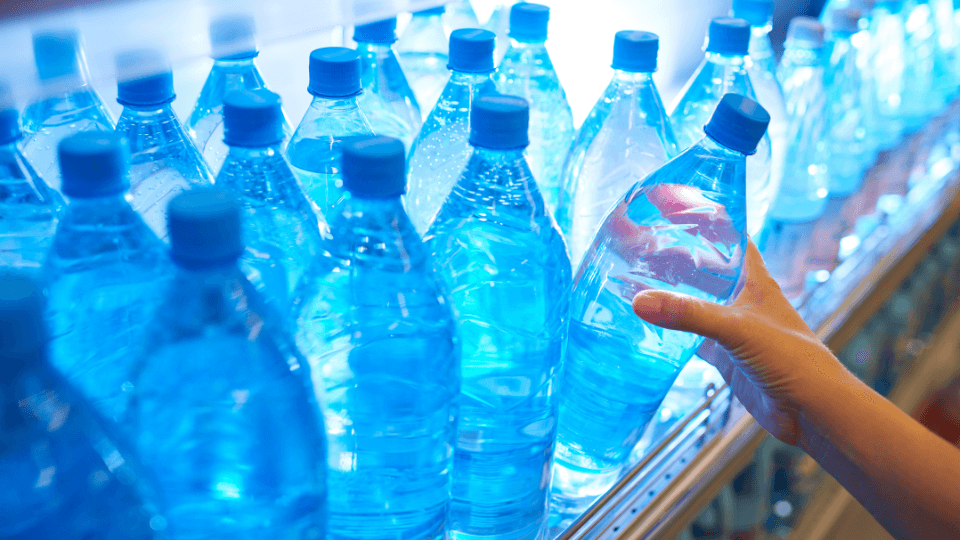
Water bottles made of plastic are becoming a common sight in daily life. Without giving them any thought, people purchase them at the supermarket, carry them to school and then dump them.
Although they appear useful, plastic bottles can be harmful to the environment and to human health. More individuals need to think about making the switch to reusable metal bottles due to the harm that plastic ones create.
The amount of plastic bottles consumed annually is one of the main problems. Globally, about 500 billion plastic water bottles are produced annually, and most of them are designed to be used only once before being thrown away. This suggests that millions of bottles are used and thrown away daily. In the United States alone, people purchase around fifty billion plastic water bottles each year, which averages to about 156 bottles per person annually. A great amount of garbage is produced by this high level of consumption.
A large percentage of plastic bottles are not recycled, which is another issue. Despite the existence of recycling bins, most bottles still wind up in landfills or as trash in the environment. In the United States, only about 9% of plastic water bottles are recycled, meaning that over 90% of them are thrown away. The US Environmental Protection Agency reports that only roughly 29% of typical plastic beverage containers, such PET bottles, are recycled. As a result, millions of bottles are discarded annually.
The fact that plastic bottles take a very long time to degrade makes them dangerous as well. A single plastic water bottle can take up to 450 years to decompose in a landfill. This means that one bottle discarded today might still be around hundreds of years from now. These bottles eventually shatter into microscopic pieces known as microplastics, which may pollute rivers, seas and soil.
In fact, scientists estimate that around 8 million metric tons of plastic enter the ocean every year, and plastic bottles are a major contributor to this pollution. Marine life may be harmed by this plastic trash, since many species mistake plastic pieces for food.
We humans can also be potentially harmed by plastic bottles. According to studies, those who frequently drink bottled water may consume up to 90,000 more microplastic particles annually than those who mostly drink tap water. The plastic bottle itself is the source of these microplastics, especially when it is squeezed, opened or heated. Scientists think that consuming microplastics may cause health issues, but these studies are still underway.
A far better option is to use reusable metal bottles. Unlike plastic bottles, stainless steel bottles are designed to be used for several years, instead of being thrown away after one use. Over 150 plastic bottles might be avoided annually if one person makes the move to reusable bottles. Additionally, metal bottles are more durable, more secure and more frequently insulated, which allows them to keep beverages cold for extended periods of time.
Overall, although they are convenient, plastic water bottles cause major issues for everyone. Every year, billions of bottles are made, the majority are not recycled, and they could remain in the environment for hundreds of years. They may even expose humans to microplastics and contribute to ocean pollution.
People can reduce trash and contribute to environmental and health protection by using reusable metal bottles. Over time, little adjustments like this can have a significant impact.