

Although there have long been beauty standards, TikTok has increased them.
Celebrities used to be mostly seen on television, in movies, and in magazines. These days, every time a kid opens their phone, they are exposed to the latest trends in beauty.
Many people’s views of themselves have been affected by TikTok’s filters, editing tools and algorithms that continuously show “ideal” faces and bodies. While the app can occasionally encourage self-expression and confidence, it has also raised unreasonable standards that have a negative effect on self-esteem, especially among teenagers.
TikTok’s drive to normalize false appearances is one of the main reasons beauty standards are decreasing. To appear perfect online, many influencers use filters, editing, cosmetics and particular camera angles. But without recognizing how much labor goes into making these modified versions, viewers sometimes compare themselves to them. Users’ “For You” pages consistently show features like clear skin, petite noses, big lips, sharp jawlines and wonderfully-proportioned bodies. People eventually start to believe that everyone should naturally have this appearance.
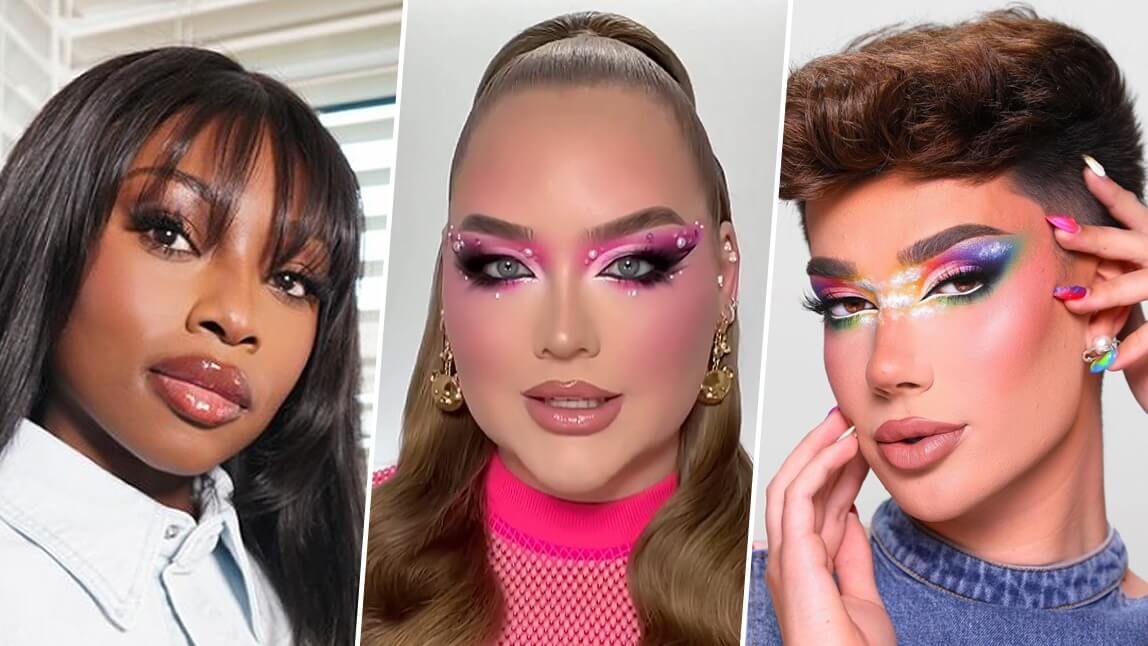
This has even led to the creation of what many internet users refer to as the “TikTok face”. Social media encourages a particular look, rather than highlighting unique characteristics. People are assumed to have similar personalities, facial traits, clothing and cosmetic styles. Therefore, less value has been placed on individuality. According to a 2026 survey by the Pew Research Center, about 1 in 5 teens say they use TikTok “almost constantly.” As a result, their perception of themselves can be greatly influenced by spending hours each day staring at idealized pictures.
The early exposure of young people to beauty pressure is another problem. Nowadays, before they are even completely grown, kids and teenagers worry about diets, skincare, anti-aging products and cosmetic surgeries. Millions of people watch videos of expensive skincare routines and “glow-up” makeovers on TikTok. A 2025 study discussed by ScienceDaily discovered that many teen skincare routines advertised on TikTok had six or more products, despite the fact that some of these routines might harm young skin. Beauty frequently becomes about attempting to “correct” flaws that were never problems in the first place, rather than being about expressing oneself.
Additionally, the TikTok algorithm makes it more difficult to solve these issues. Users are shown similar information so often, because the program swiftly learns what they watch. A person’s feed may get overrun with appearance-focused content, especially if they are already watching videos about skincare, weight loss or beauty advice.
This ongoing exposure may increase insecurity and harm mental health. A teenager’s lack of self-worth is associated with appearance-focused information, according to studies on social media and body image. Seeing the same standards every day has a psychological impact on people, even when they are aware that social media is unrealistic.
And yet TikTok isn’t entirely bad. Many producers have been able to question the traditional ideas of beauty thanks to the app. Natural beauty movements, body positivity and artists who encourage self-acceptance have all grown in popularity. In ways that were previously uncommon in traditional media, people with different body types, skin issues, disabilities and cultural origins can now express their stories online. In fact, TikTok can help some users feel more accepted and self-assured.
Nevertheless, dangerous beauty trends spread so quickly online, so the bad effects often outnumber the favorable ones. People feel pressured to keep up with the ever-changing trends. The ideal body type might be athletic or curvy one week and thin and emaciated the next. Nobody can entirely meet these constantly developing demands. Many kids feel stuck in a never-ending cycle of comparison and insecurity as a result.
In general, TikTok’s encouragement of unrealistic appearances, common comparisons and early exposure to high pressure have all led to the rise of beauty standards. The app creates an environment where perfection is demanded rather than unachievable, even though it occasionally encourages self-expression and diversity. The way the algorithms consistently promote idealized beauty on social media can have a significant impact on how individuals see themselves, even though social media itself is not the only issue. In the future, society might need to place a greater value on originality and authenticity rather than following unsustainable trends.