

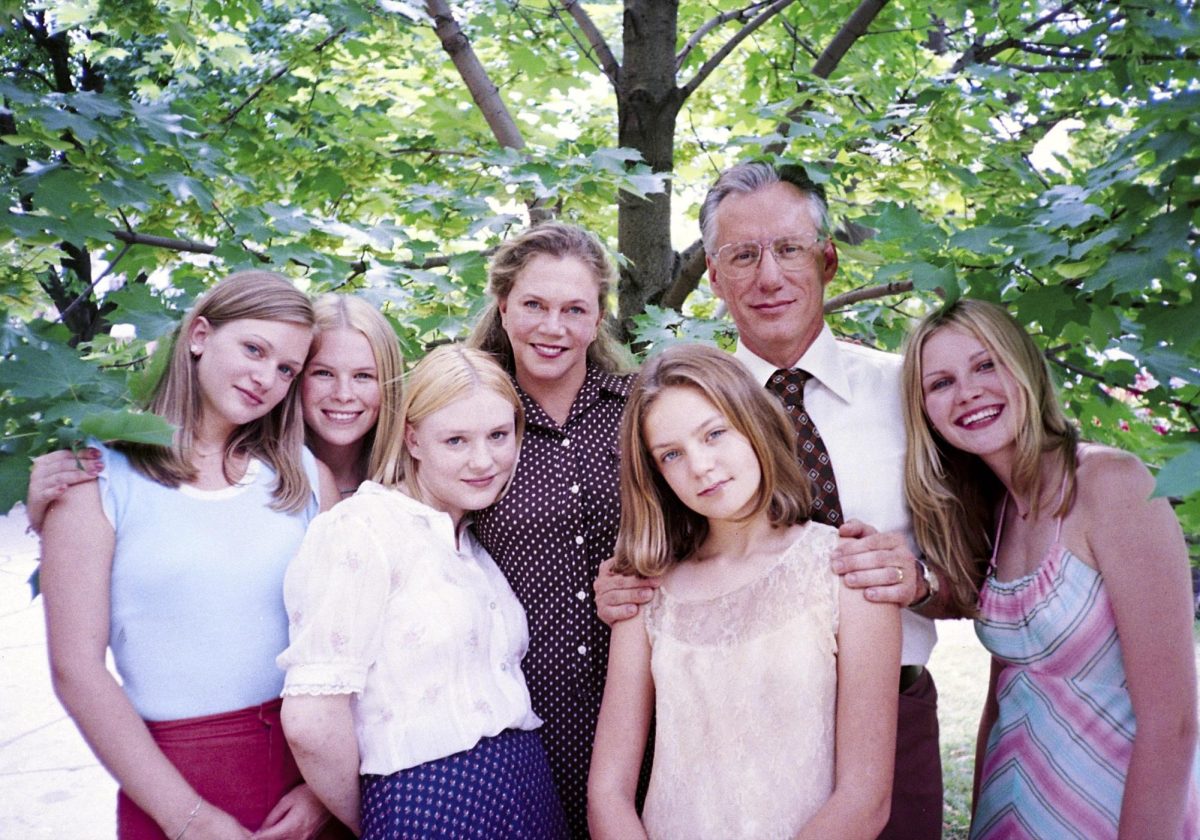
 The Virgin Suicides (1999) is a psychological coming-of-age drama directed by Sofia Coppola. It is based on Jeffrey Eugenides’ novel that was published in 1993. It’s about the lives of the five Lisbon sisters, who are isolated in their house due to their strict and conservative parents. The novel is written from a male point of view, but the movie is directed through a woman’s perspective. Throughout the movie, topics such as depression and isolation are revealed and characterized in the Lisbon sisters.
What captures my attention is how the girls are seemingly portrayed in the film: so ethereal and innocent. Well, after the death of Cecila, the youngest of the Lisbon sisters, there is nothing innocent about these girls.
Despite their pretty dresses and natural beauty, what hides beneath them is something more serious. Although it is quite unique and beautiful, this movie is not just about the aesthetic or vibes, but it’s also about how the isolation of teenage girls creates a myth around tragedy.
The movie is narrated by a group of neighborhood boys who live across from the Lisbon house, and they embark on an obsessive investigation into the girls’ daily routine. The boys wonder how each sister can survive living isolated from the world, so they start a routine watching over from their own rooms into the girls’ bedroom window. This is where the male gaze comes into play, and as the audience, we don’t know what each sister is thinking or feeling. We just get the assumptions from the boys.
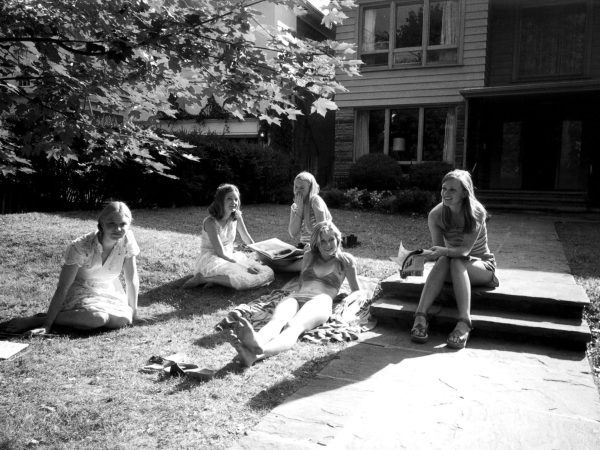
After Cecilia’s death, the parents impose stricter rules that don’t allow the Lisbon sisters to socialize, and they are restricted from doing the things they love. When Lux (played by Kirsten Dunst) has vinyl records that are burned, she is devastated. From then on, she secretly makes out with different guys on the roof of their home, because she needs an emotional escape or healing before accepting her reality.
One topic that is revealed in the movie is emotional isolation, where a person feels disconnected from others and lacks genuine support. The movie focuses more on the character of Lux, because she is the rebellious daughter. After Cecilia’s death and Lux’s disobedience after prom, their mother punishes and basically jails the sister in their own household.
Through the observation of the neighborhood boys, we see how each of these girls starts to develop depression. Spotting depression is not easy, because it may look like a normal daily routine, but it is actually how people cope with emotional isolation or a low mental state.
What also makes this movie so beautiful is the soundtrack. Throughout the movie, the songs “Highschool Lover” and “Playground Love” by Air are both continuously played. If you were to hear these tracks without watching the movie first, you might be mesmerized by how sad they sound. But in reality, they are comforting, in a way that is so beautiful.
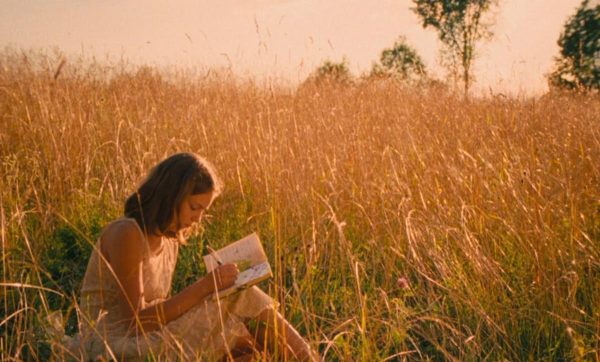 These two songs, and the soundtrack overall, make the film feel nostalgic. The music also romanticizes the Lisbon girls, which is a shame, because the focus should be on how the Lisbon girls need to be supported, not controlled.
This film ultimately suggests that our mental health is important, and it’s not easy to deal with depression. It’s sad to think about how the movie portrays a reality that most don’t see. Although we don’t know what is happening in the minds of the Lisbon sisters, their final fate is enough to say it all.
What makes this movie even more captivating is how it illustrates a raw and real-life experience. The narration, specifically, creates a gap between what is happening and what is understood. There is no final explanation for the sisters’ choices or any definitive psychological breakdown. Instead, Coppola leaves the audience with what’s left: memories and unanswered questions.
The movie overall is depressing yet comforting. The soundtrack, themes and dialogue make the movie so beautiful and realistic. Coppola wants the viewers to reconsider how they interpret suffering–not as a story but as a reality that is left rotten.
Other movies that share a similar style to The Virgin Suicides are Picnic at Hanging Rock, Girl, Interrupted, The Beguiled, and Mustang. Novels similar to the work of Jeffrey Eugenides include The Bell Jar, The Yellow Wallpaper and Other Stories, and The Perks of Being a Wallflower.
If you or someone you know is struggling with mental health or experiencing suicidal thoughts, help is available. You can connect with compassionate professionals at the Suicide & Crisis Lifeline by calling or texting 988 in the US and Canada.