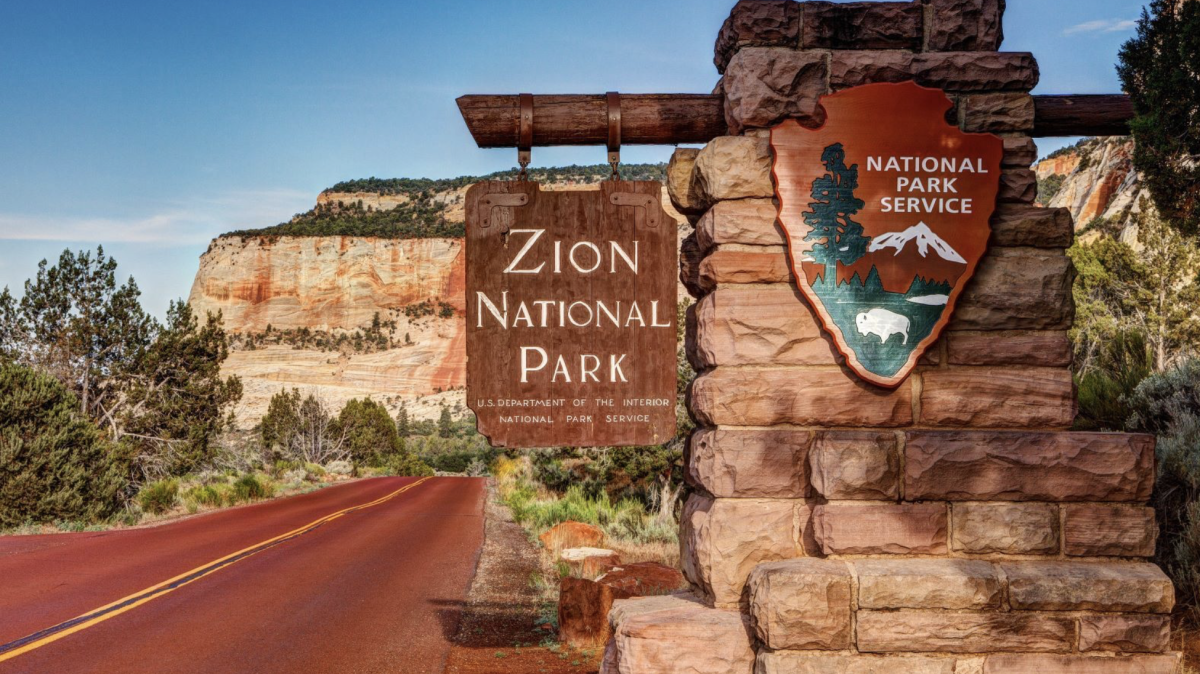
National parks are some of the most important places in the United States and around the world. They protect forests, deserts, mountains, rivers, lakes, wildlife and even historical places. Many people visit national parks every year to enjoy nature, camp, hike and learn about the environment. Parks like Yellowstone, Yosemite, Grand Canyon, Zion and Glacier National Park are famous for their beauty.
But right now, many national parks are facing serious problems that are putting them in danger. These problems include climate change, lack of funding, overcrowding, pollution and damage caused by humans.
 One of the biggest threats to national parks today is climate change. Climate change is causing hotter temperatures, droughts, stronger storms and wildfires. Many parks in the western United States have had dangerous wildfire seasons in recent years. These fires can destroy trees, animal homes, trails and buildings, and smoke from fires can also make it unsafe for visitors and workers.
At Glacier National Park, scientists have said glaciers are melting faster than before because of warmer temperatures. If this continues, some glaciers may disappear completely in the future, and this would, of course, change the park forever.
Another major issue for parks is a lack of funding. National parks need money to repair roads, bridges, bathrooms, visitor centers and trails. They also need park rangers and workers to keep visitors safe. Some reports have shown that the National Park Service has billions of dollars in maintenance needs.
This means many things are broken or need repairs, but there is not enough money to fix everything quickly. If parks do not get enough funding, they may become less safe and harder to enjoy, and it has become this way because of the government redirecting money to more beneficial things, such as healthcare, which has caused our national parks to be left in the dust.
Overcrowding is also becoming a serious problem. National parks are more popular now, because many people love traveling and posting nature photos online. While visitors help the economy, too many people at once can hurt the parks, with over 297 million people visiting parks in 2021 alone.
Trails have become worn down, wildlife has been disturbed, roads have become full of traffic, and trash has increased. In parks like Yosemite and Zion, traffic jams have happened during busy seasons. Some people have to wait hours just to enter, and too many visitors can ruin the peaceful experience that parks are supposed to give.
Pollution is another danger to national parks. Litter, such as plastic bottles, food wrappers and cans, can harm animals and make parks look dirty. Some animals eat trash because they think it is food, which can make them sick or even kill them. Air pollution from nearby cities and factories can also affect parks by making the air unhealthy and harmful to plants. Water pollution can hurt rivers and lakes where fish and other animals live.
Human behavior can also be harmful. Some visitors ignore rules by feeding animals, walking off trails, carving names into rocks or trees or taking natural items like plants and stones. These actions may seem small, but when many people do them, the damage adds up fast. Wildlife can also become dependent on human food, which is dangerous for both animals and people.
There are many ways people can help protect national parks. The government can give more funding for repairs, staff and protection programs. But they won’t do this, because of budget cuts and prioritizing, so money often gets funded to the military and education. So the national parks often receive less attention.
Visitors can help by respecting the rules, staying on marked trails, throwing away trash properly and never disturbing animals. People can also volunteer for cleanups or donate to groups that support conservation. Even small actions can help a lot over time.
So our national parks are in danger now more than ever. These parks are important, because they protect nature and history for everyone. If people do not take care of them now, future generations may not get to enjoy them the same way we do today. We need to act before the damage gets even worse.