


Formula One is a sport backed by companies worth billions of dollars.
For the most part, the entire concept of Formula One comes down to one simple idea: pay to play. Millions of fans wait all week for the weekend just to watch cars worth millions of dollars, built from carbon fibre reinforced polymer, flash past in milliseconds over and over again. Even though you can often guess how a race might end, and the car with more money behind it usually has an advantage, Formula One is still full of surprises.
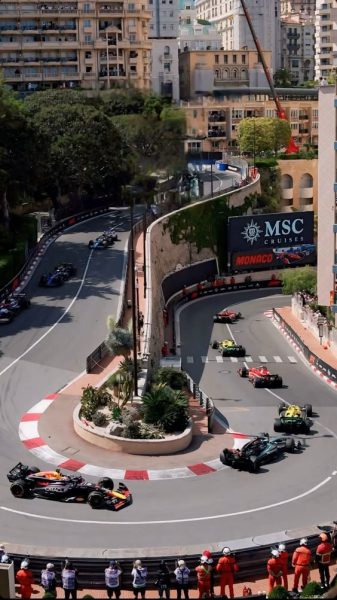 Take Scuderia Ferrari. It’s no secret that this team gets the biggest piece of the pie by being with Formula One since the beginning and having the longest history. Last year Scuderia Ferrari was valued at approximately $6.5 billion, which makes them the most valuable team compared to others. However, they have not won a single World Championship since 2007. These types of failures happen because of the lack of strategy of the team representatives.
There are two big prizes in Formula One. Twenty-two drivers race with each other and gain points according to their finished position. The driver with the most points at the end of the season wins The World Champion trophy, while gaining statues and a little bit of ego-boost. Additionally, the winner is always the number-one car of the next season.
While all drivers race to achieve their dream of becoming World Champion, the teams also fight for the Constructor’s Championship—a title that proves they are the best on the grid. This honor brings crucial financial rewards, and it makes them far more attractive to sponsors and investors for the seasons ahead.
Formula One has become much more than just a racing sport, as its influence now reaches far beyond the track and into everyday culture. Today, Formula One is connected to fashion, music, and branding.
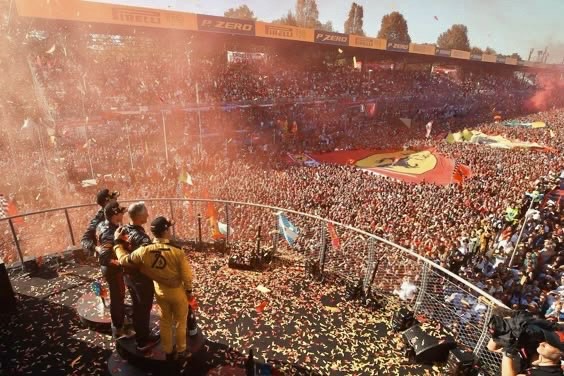 Major collaborations include those between Adidas with the Mercedes-AMG Petronas Formula One Team and Puma with Scuderia Ferrari. This influence can also be found in the beverage industry, where drivers like Lando Norris and Max Verstappen had a collaboration with Monster Energy and Red Bull.
At the same time, there are collaborations through iconic LEGO sets, Funko Pop! figures, posters, teamwear and the personal merchandise of each driver. Formula One can now be seen on store walls, in fashion collections, on social media, in magazines and through global brand campaigns, which all just shows just how powerful its cultural presence has become.
Overall, Formula One is a sport where every driver becomes a celebrity, every team becomes a brand and every race becomes an emotional drama. While money and resources may influence the results, the skill, the strategy and the drama of every race keep fans engaged. Combined with its global presence, branding and merchandise, Formula One has become more than a sport; it’s a cultural phenomenon.